A Mother’s Journey Through Growth, Healing, and Identity as an INFP

Over a year ago, I got the question from a reader, “What is it like being an INFP mother?” It’s been years since I wrote about being an INFP(Introvert-Intuitive-Feeling-Perceiving personality type) and what I love and hate about it. Back then, I was stepping into motherhood, a journey that has transformed me in ways I never imagined. Have you ever felt like you're constantly evolving, yet still discovering new facets of yourself? That’s been my experience.
Since writing that blog post, What I Hate and Love About Being an INFP, I continued to take the time to dive deep into who I am. I realized I still had a lot to learn and unlearn about myself and life in general. Around that time, my self-improvement journey began. I took various personality tests to gain a deeper understanding of myself. Which is how I discovered the Myers-Briggs Test. After that, I dived into the Enneagram—I’m a Type 4w5. I have read Self-help books such as "Positive Psychology: A Practical Guide" by Bridget Grenville-Cleave and "Emotional Intelligence" by Gill Hasson, to name a few.
Recently, I’ve been delving deeply into astrology, which I’ve loved learning about because it has helped me navigate the last few years. I view astrology as a blueprint of how God created me, and I utilize it while I receive guidance from God and my ancestors.
“Astrology is assured of recognition from psychology, without further restrictions, because astrology represents the summation of all the psychological knowledge of antiquity.”
I also believe that the environment you grow up in and how God made you—your genes—definitely play a role in who you are as a person. It can be hard to unlearn something that is basically hard-wired into who you are. It takes discipline to change, and I’ve always struggled with discipline.
I see myself constantly striving to be the mom who wakes up at 5:30 am, works out, makes breakfast, and gets myself and my kids ready for the day. But I’m not; I’m the mom who struggles waking up, prefers to sleep in, and doesn’t even care to eat breakfast. I always wondered why I couldn’t get the hang of this routine.
The majority of the women in my family enjoy sleeping in. We’re not the early birds that get the worm because we are women of the night, the moon lovers, the dreamers. We stay up late and wake up late. During the weekdays, we don’t wake up and follow a routine; we go by how we feel—we move with the waves. Some days, we may make breakfast; on other days, we may not. Like Dory from Finding Nemo, we just keep swimming. Whether that’s with the flow of the current or against it, it depends on the day and how we feel. But what matters most is that we just keep swimming. I try repeatedly to follow a routine, but I realize it’s just not for me, and maybe it’s because I was wired that way.
I grew up with a mom who woke up and then got me up... well, sometimes I had to wake up by noticing Saved by the Bell was playing on the TV. Either way, I got myself ready for school because she was out the door, headed for work. She would sometimes come home and cook, and sometimes it would be my dad who did the cooking. Then she showered, watched TV, and repeated the process. I could go on and talk about how my mom was, but I won’t.
I think it would be helpful to understand why I’m the way I am, as our childhood and upbringing undoubtedly play a significant role in shaping our adulthood. But let’s just say she wasn’t the perfect mom, and that’s okay. What I do know is that she was a dreamer, and I think her dreams got away from her once life became too much to handle as a mother; she slowly lost who she was. There are those of us who dream of becoming our mothers one day, and those of us who strive not to be like our mothers. I can say that I see a lot of myself in my mom and understand her now that I am an adult.
Sometimes, we lose ourselves, and I think that as mothers, it’s easier to lose ourselves because we are busy trying to raise our kids and ensure everyone else in our lives is okay. We try to be the perfect mom. I hope that when my daughters get older, they will one day understand how I was and appreciate that I did the best I could to raise them.
“I find it hard to be a mother. I want to seriously be the BEST mother, but because I struggle with depression, I need that alone time. I will feel intense guilt that my daughter notices how much mommy is sleeping, or in my room by myself. These are not traits I want my daughter to have.”
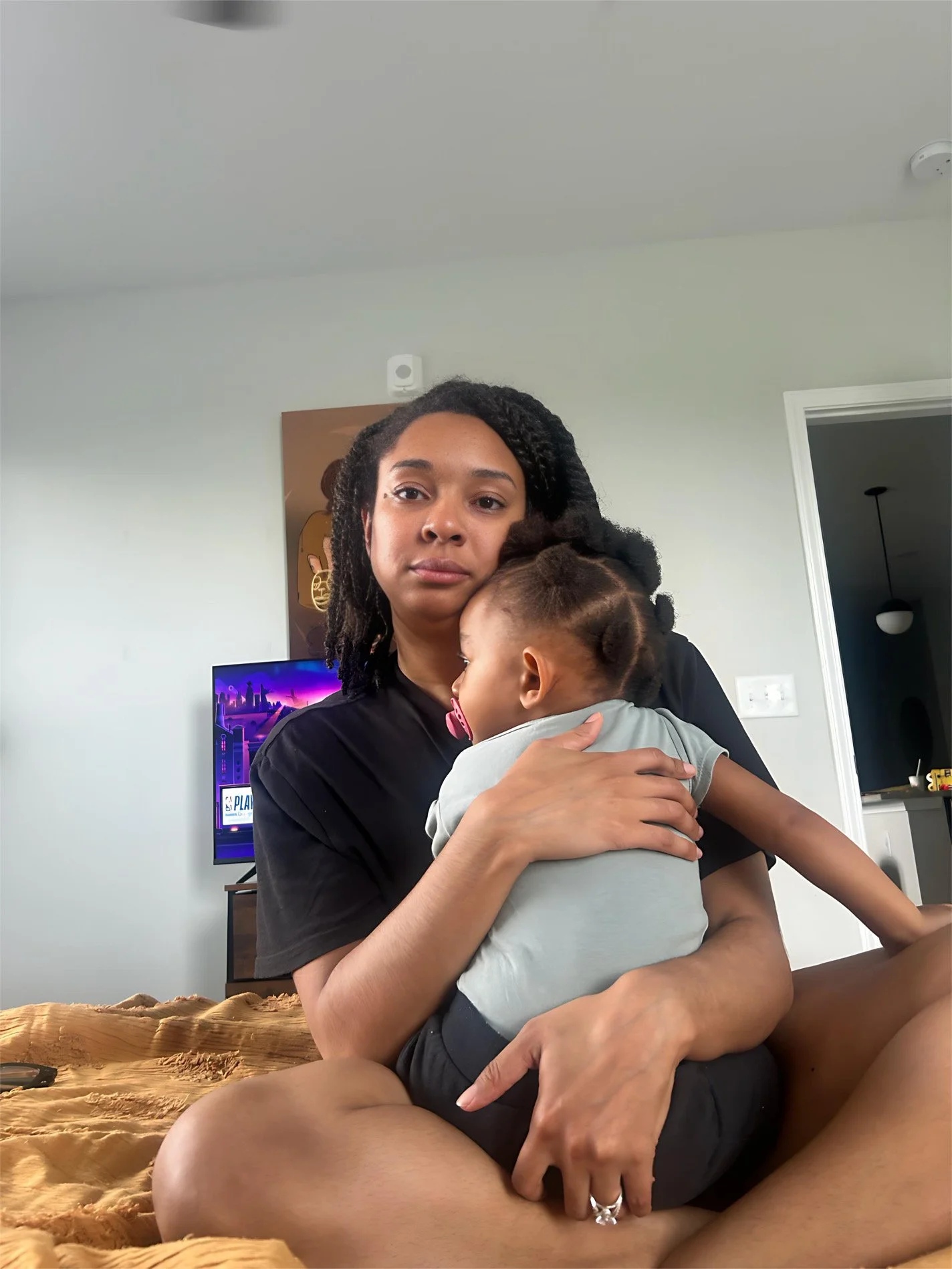
As an INFP, our energy levels can fluctuate based on our feelings and environment. So, when we’re feeling overwhelmed or unhappy, it will naturally show in what we do and how we react. Yes, when I didn’t have kids, I had so much time in the world to daydream and do what I loved most, but now I have to find time, or I have to put myself first. Sadly, sometimes when we put ourselves first, it can appear unappealing; we may be perceived as lazy for sleeping in or not making breakfast. But honestly, being a mom is hard, becoming an adult is hard, just being is hard. Just because we have kids doesn’t mean we need to have it all figured out.
Life can be hard for anyone. We have to give ourselves grace, or else we will become depressed, and it’s very easy for us INFPs to get sucked into the darkness, but sometimes that’s where we can grow. We just have to follow the stars to climb our way out.
“If I told you that a flower bloomed in a dark room, would you trust it?”
A lot of times, we grow from battling depression and experiencing trauma; experiences like this are meant to change us. Becoming a mom, it’s like your identity changes. You actually have to figure out who you are after becoming a mom; your body changes, your mindset changes. You spent 9 months creating and carrying a child, and then you have a little human who depends on you. No one understands this but mothers who have given birth to a child. Fathers, and adoptive parents/caregivers experience emotional and physical changes as well, but the changes that birthing mothers experience are unique. We know and see the beautiful side of motherhood, but sometimes motherhood can be scary, overwhelming, traumatizing, and it can even be lonely. So, of course, we can’t be the same person as before because with a snap, your life changes, and I don’t care how many baby books, classes, or videos you take/watch—nothing prepares you for the real thing. Google how long it takes a woman to recover from pregnancy and why, you’d be surprised. Answers will range from 6 months to 7 years. Now imagine having no support system, kids that overstimulate you, a job that takes up too much of your time, and a partner that criticizes you because you don’t have the house clean and dinner made at a certain time, and you’re drowning in all of that, and no one is noticing it. People wonder why divorces happen. It takes so long for women to heal and to find ourselves again after we become mothers.
That’s why, over the past nine years, I have studied psychology, astrology, and read self-help books. Trying to understand yourself as you grow through these different life stages is challenging because you can easily fall through the cracks if you’re not physically and mentally present. I had my first daughter when I was 21—I’m 31 now. Looking back, I definitely wasn’t ready to have a child because I had a lot to work on and a lot to learn. I still do, and I think you can never truly be ready for a child.
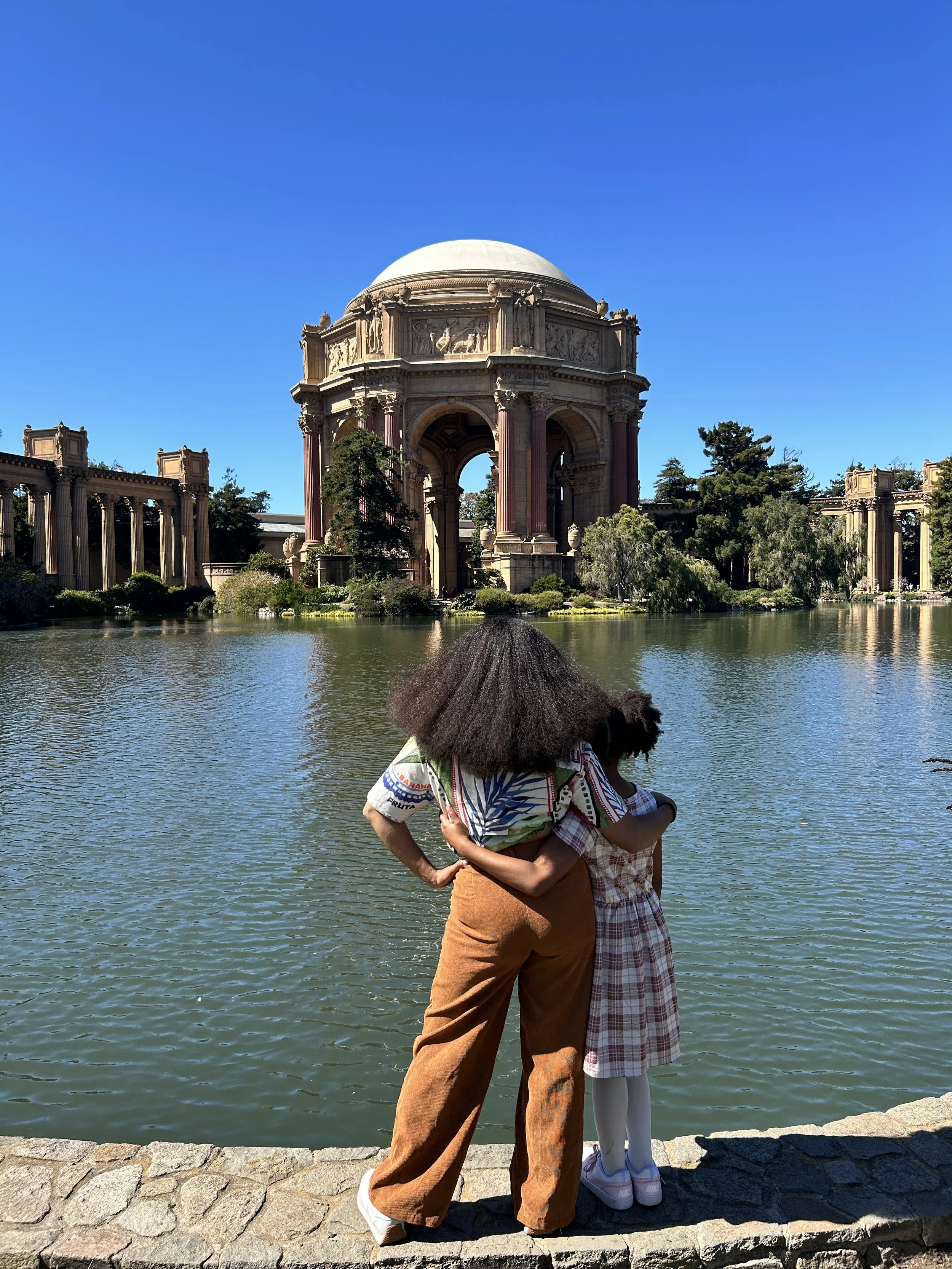
I know people will say, 'Well, that’s why you should wait to have kids.’ However, there’s no perfect time. My kids are the reason why I am here today. Kids can give you your 'why'; they can give you a purpose in life and help you figure out your own purpose. Am I suggesting that you need to have kids to discover your purpose? No, haha, but that’s the plan God laid out for some of us. There are events, books, animals, or people that move us closer to our purpose in life, and for some, it’s their kids who bring them closer. Life cannot wait for you to figure things out, especially when you have children. If you are aware of areas in your life where you can improve, then try to do so. If there are things that you want to learn about, then learn.
Being an INFP may be the reason why I enjoy sleeping in, why I sometimes lack energy, and why I struggle with routines; however, that shouldn’t stop me from wanting to improve and show up to be better, especially for my kids. My kids deserve a better me; they do not deserve a mom who sleeps in all day, who doesn’t come support their sporting events, or who keeps them indoors simply because we’re introverted and don’t want to socialize. You have to do better not only for yourself but for your kids, too, so the cycle doesn’t repeat. So, yes, I step out of my comfort zone to socialize, host, and attend birthday parties that I know will overstimulate me. I speak up to advocate for and protect my children even though I hate confrontation, because if I don’t, then who will?
When I had kids, I knew I wanted them to travel more than I did, so that they would be open to trying new things, being adventurous, and not be scared to explore the unknown. My oldest is extroverted at heart; she is very social and has lots of friends. She has been involved in gymnastics, All-Star Cheer, and chorus because I want to support her dreams and her talents and help her improve her skills. When I became a mom, I developed driving anxiety, and there were times I hated driving. I pushed myself to drive; if I hadn’t done that, she wouldn’t have been able to participate in All-Star Cheer, which requires traveling to different states. I was aware of something, and I took the initiative to address it.
“It does not matter how slowly you go as long as you do not stop.”
The first step is being aware; the next step is having the courage to change by taking small steps and not letting fear hold you back. Also, don’t use titles as an excuse. Yes, you’re an INFP, but you’re more than that. Don’t put yourself in a box, and definitely don’t let others put you in a box. A mother’s journey can be challenging, but it can damn sure be a beautiful one when you embrace all the waves crashing together, the sadness, the chaos, the grief, the joy, the healing, and becoming the mom you’re meant to be...whatever that looks like for you, make it yours—Ta ta for now, and thanks for reading.